Spinning
Sort by:


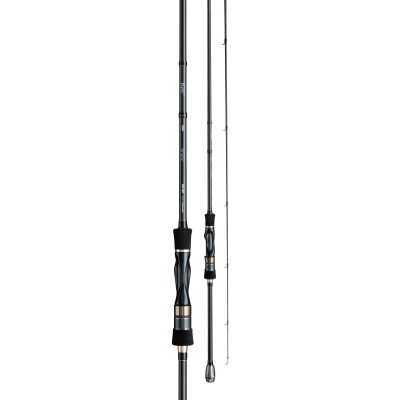
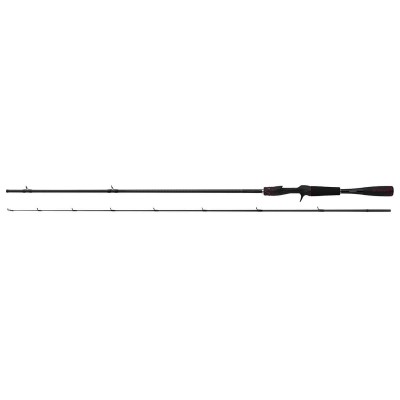
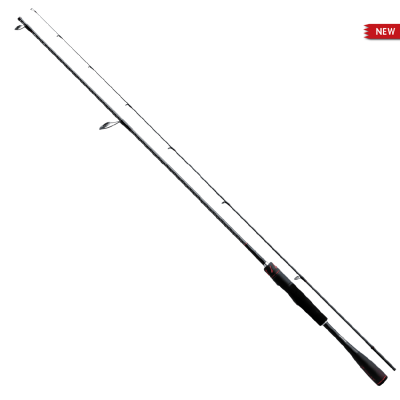
- On sale!
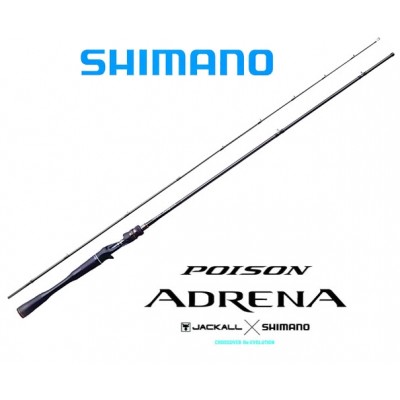
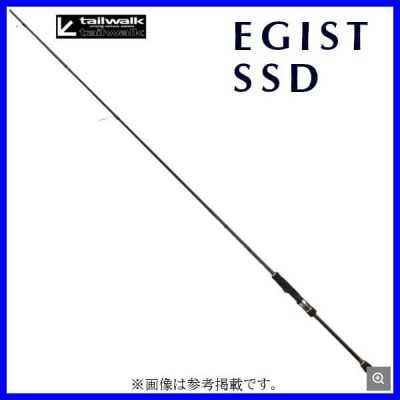
- On sale!
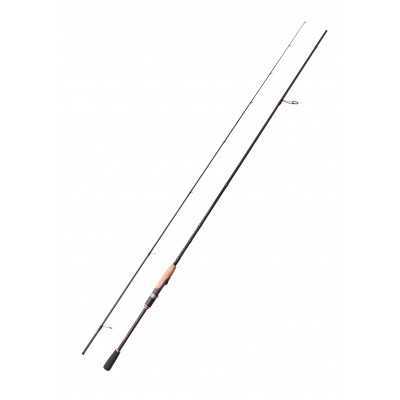
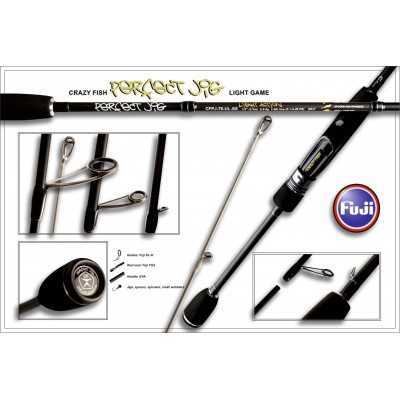
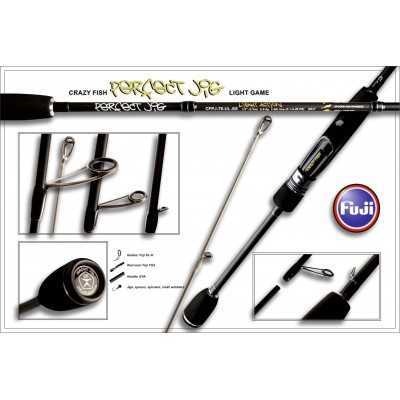




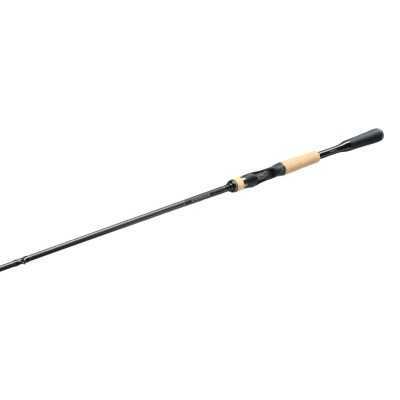


- On sale!
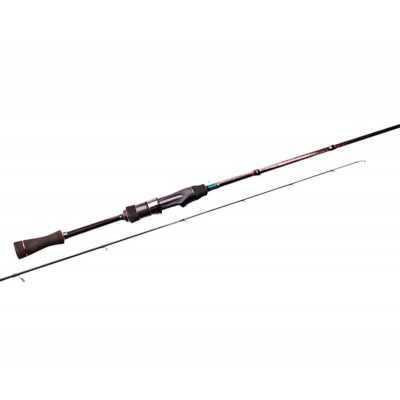

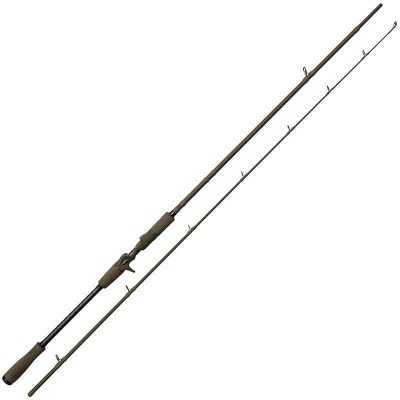
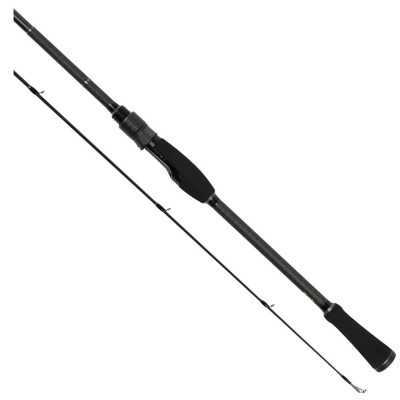
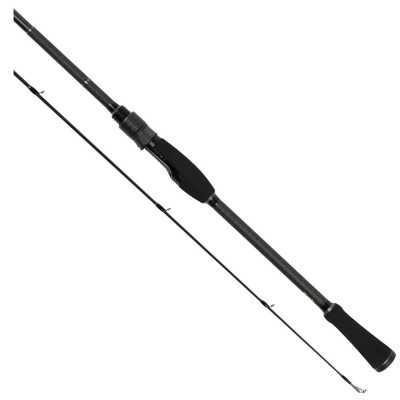
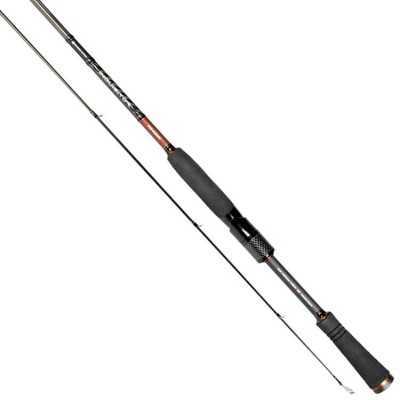
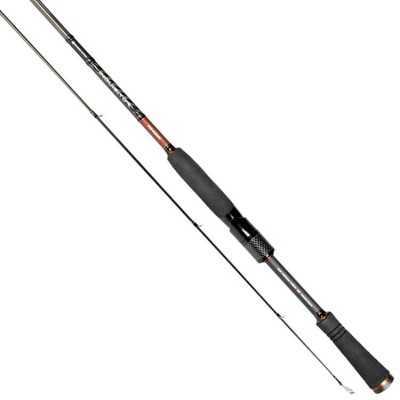




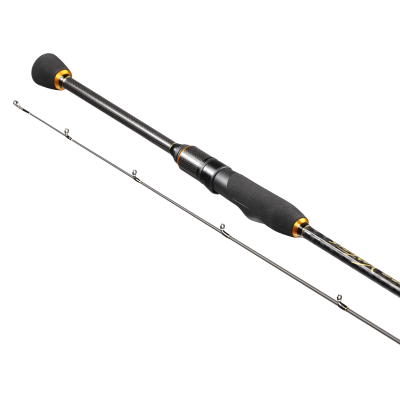

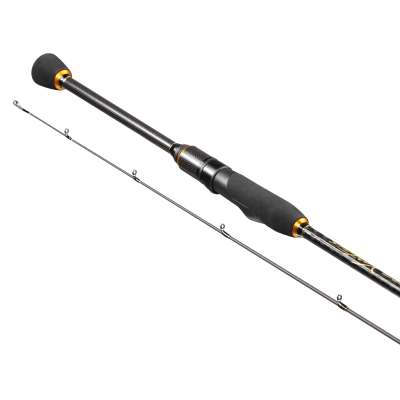
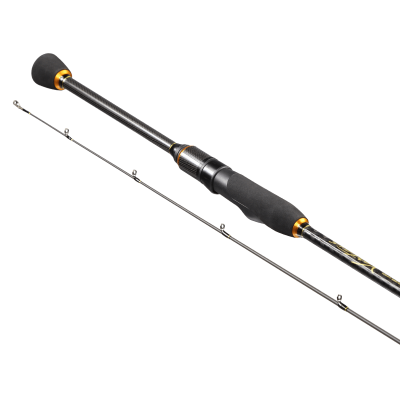
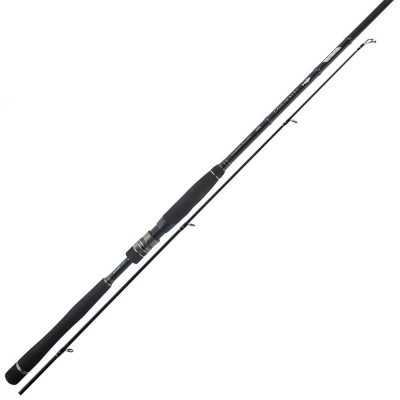
- On sale!
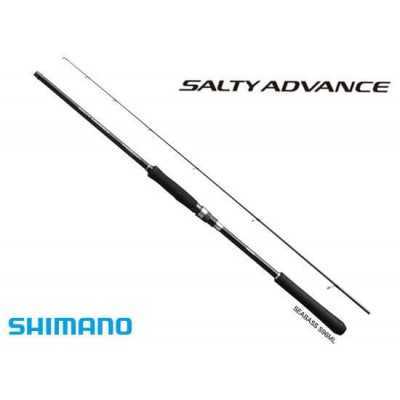


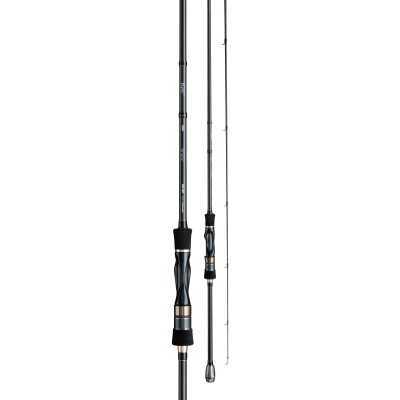
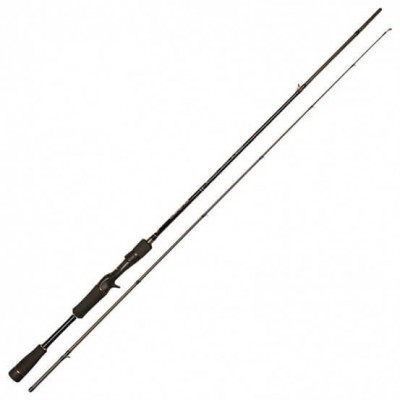
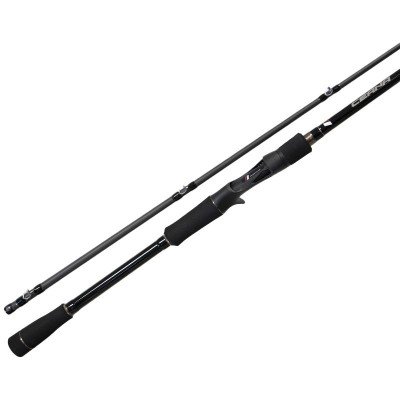

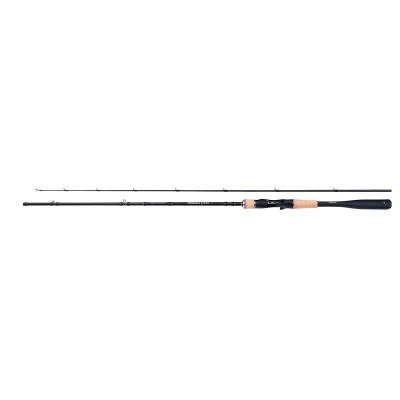
Spinners: what are they and how do they work?
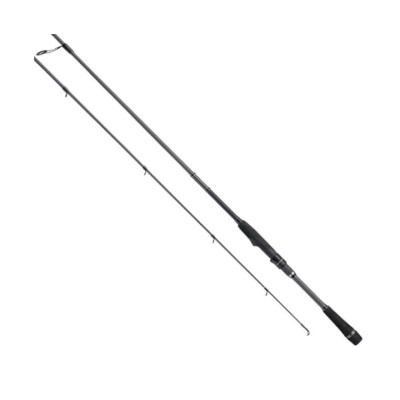
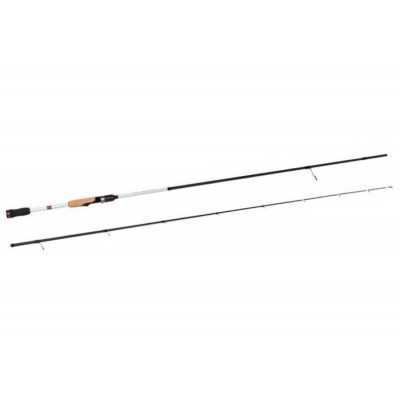
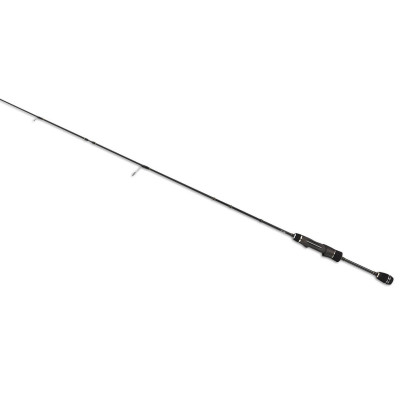
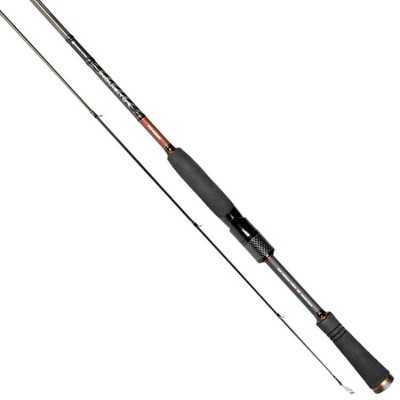
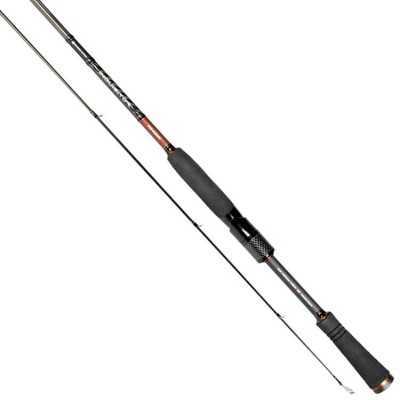
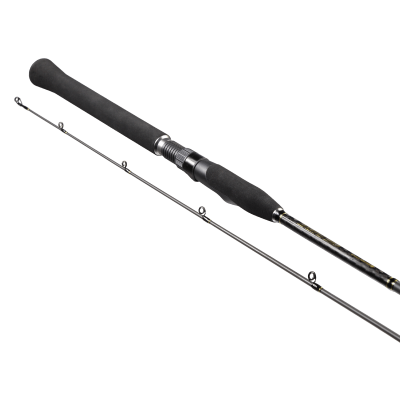
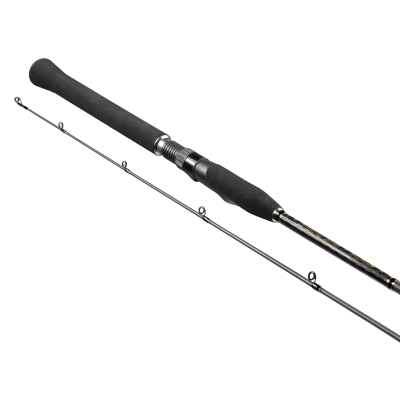
A spinning rod is one of the main types of fishing gear used for fishing with artificial baits. This fishing technique is popular among both amateurs and professionals, as spinning offers great fun and challenges when fishing for a wide variety of fish such as perch, pike, trout, salmon and others. The design of the spinning rod allows the angler to make precise casts and to control the bait perfectly, making it a highly effective tool.
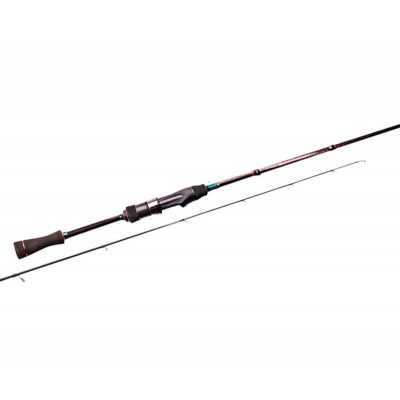
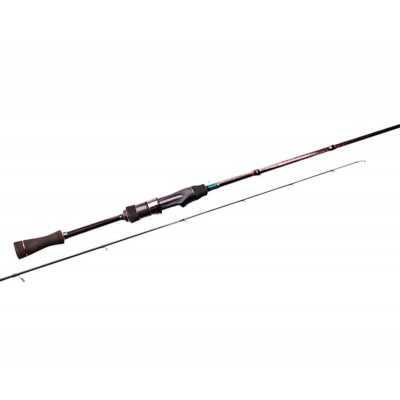
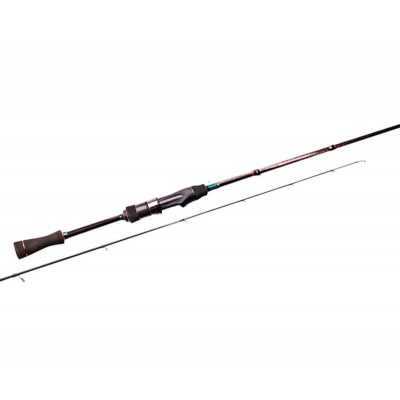
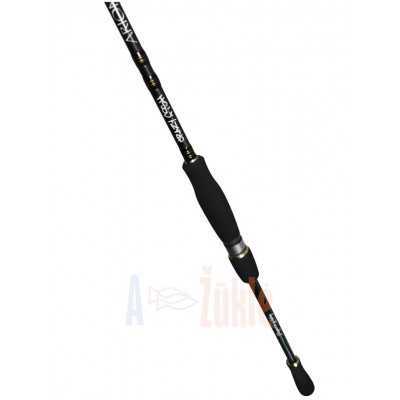
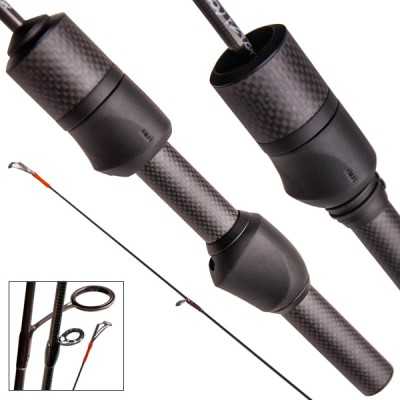
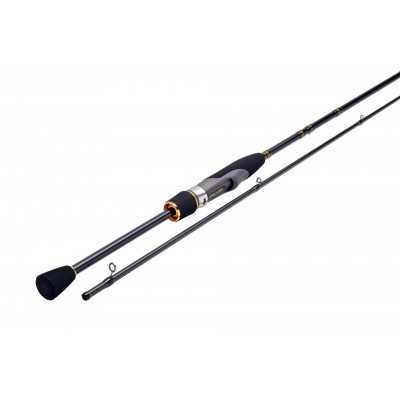
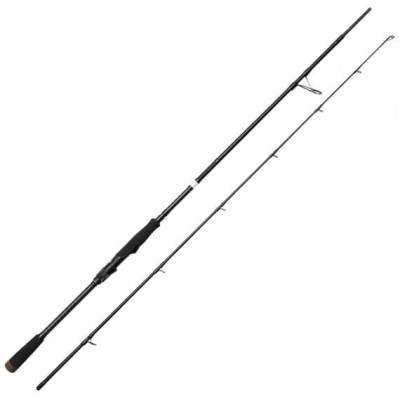
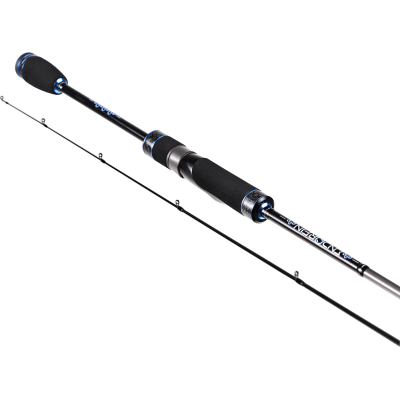
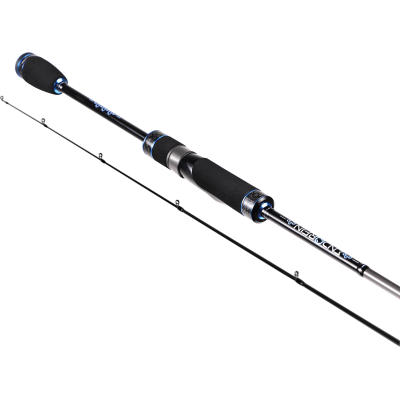
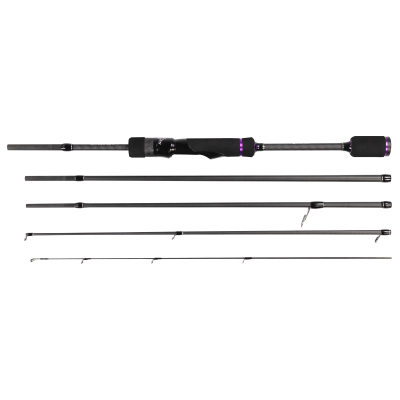
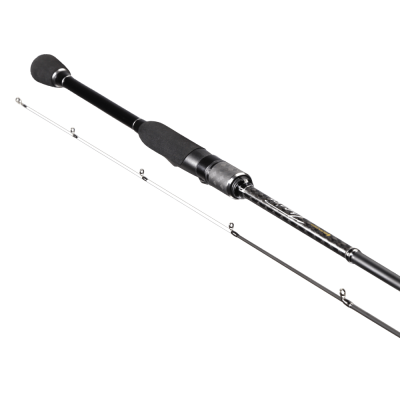
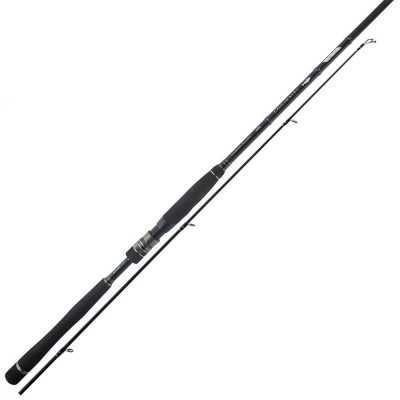
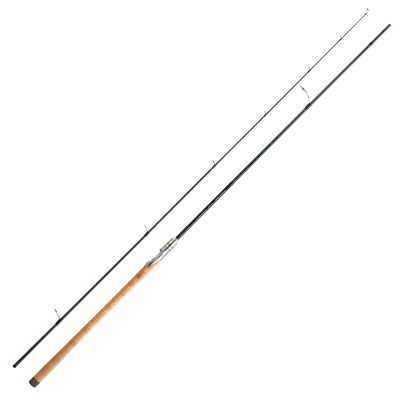
The spinning rod consists of three main parts: the handle with the reel holder, the shaft (also known as the blank) and the rings, which allow the line to glide freely and ensure a precise cast. The shaft can be of different lengths and the rings vary depending on the type of spinning rod and the manufacturer. Spinning rods are usually two-piece, but you can also find one-piece, three-piece, four-piece and telescopic models. Telescopic rods are particularly convenient for travelling, as they easily fold up to fit in airplane luggage. However, be aware that rods with more parts tend to have poorer performance as the increased number of parts can make the tool less durable and less sensitive.
Classification of spinning rods: how to choose the right one?
Spinning rods can be classified according to various parameters such as length, casting test, blank action and limb type. Each of these aspects has an impact on fishing performance, comfort and results. Choosing the wrong rod can lead to less effective fishing, so it is important to know what parameters to consider when choosing this gear.
Spinning rod length and how does it affect fishing?
Spinning rod lengths can vary greatly. The shortest spinning rods (1.6m - 2m) are most often used in streams, where accurate casting and quick reactions are needed. Such rods are suitable for small fish such as trout and perch. Longer rods, ranging in length from 2.7m to 3m or more, are most commonly used in large rivers and ponds where a longer cast and more control are needed. Longer rods allow for more accurate casting at greater distances and also help the angler to have better control of the lure in large bodies of water. Such rods are an excellent choice for catching large fish such as salmon or pike. When choosing the length of the rod, it is important to take into account the environment you are fishing in and the type of fish you want to catch. If you are fishing in narrower waters where you need to make fast casts, shorter rods may be more comfortable. However, longer rods give you more room to manoeuvre and allow you to reach harder to reach areas.
Casting test: everything the angler needs to know. Why is it important?
The casting test is the weight range of the lure for which the rod is designed. Each rod has a specified maximum and minimum weight that it can withstand. Spinning rods can have a casting test from 1.5g to 300g. Lighter rods (up to 5-10g) are designed for fishing with micro lures and smaller fish such as perch and trout. The casting test of such rods allows the use of small lures, which must be extremely light in order to achieve high accuracy and sensitivity. Heavier rods (20-30g and above) are used to catch larger fish, such as pike, with large silicone lures or scaled baits. Such rods can withstand heavier loads and help to better control large baits. It is recommended that novice anglers choose a rod according to the type of fish they want to catch. If you are targeting smaller fish, choose a rod with a smaller casting test, and if you are targeting larger fish, you will need a larger rod with a higher casting test.
Blank action: how does it change the sensitivity and performance of the rod?
The blank action describes the flexibility of the spinning rod depending on the load. It refers to the way the blank bends after a cast or when catching a fish. Slower action rods (parabolic - "Slow") are more robust and are mostly used for fishing with heavy fish, which present a higher load. Faster action rods (extra fast and fast) are lighter, more sensitive and ideal for fishing with small baits, where sensitivity and quick reaction to fish bites are important. Medium action rods are versatile and suitable for a wide range of fishing methods. It is the perfect choice if you don't know what kind of fish you will be catching or what kind of environment you will be fishing in. However, faster action rods are most often used for jigging, where a very sensitive reaction to the movement of the bait is required.
How do I choose a rod based on the fish I'm fishing for?
The first rod for pike.
The first rod for pike.
As a standard it is a more powerful rod, at least up to 30g test, preferably with a slightly slower action (fast or moderate fast). Tubular tip. Length about 240cm if you intend to fish with different baits. A rod for pike should not be very sensitive and sensitivity is certainly not worth sacrificing the reliability of the rod to hold a hooked fish, and at the same time a rod that is too sensitive will be less powerful and may break more easily.
The first spinning rod for sturgeon.
Since sturgeon are usually caught by jigging with soft baits, there is less room for compromise here. We need a more sensitive and harder spinning rod to feel the bite in time and to bite the sturgeon hard. A sturgeon rod should be 2-2.4m long when fishing from a boat and up to 2.9cm long when jigging from the shore. It should have a very fast action and a strong body. In theory, a solid limb reads better, but this is not essential.
First spinning rod for perch.
All an angler needs to know when choosing a rod for bass is what baits you intend to fish with. In shallow, soft-bottomed areas or rivers, bass are very often caught with spinners. In this case you should choose a slower action rod with a tubular tip, about 2.4m long and up to 10-15g test. The rod can be quite slender. If you intend to catch perch with a rubber rod, choose a slightly shorter rod, up to 10g, with a solid tip and extra fast action.
The most popular rods in Lithuania and market trends 2023
In 2023, several significant trends were observed in the spinning rod market in Lithuania. First of all, UL (Ultra Light) spinning rods were replaced by nano spinning rods, while stronger rods were used for larger rubber fishing. Pelagic fishing with live sonar and the popularity of casting rods have been increasingly visible, as these rods allow more efficient and faster fishing in large bodies of water. Japanese Major Craft rods and the Shimano Lunamis series were very popular as they offered good value for money and were well suited to both salmon anglers and jiggers.
Shimano, Tailwalk andMajor Craftdominate the market
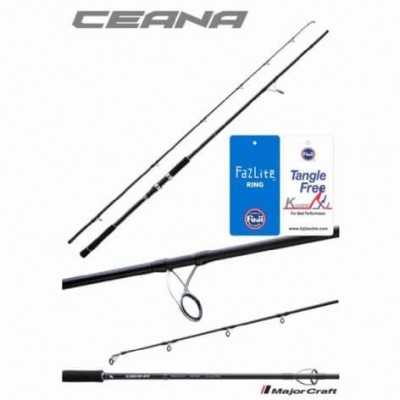
Japanese manufacturers such as Shimano and Major Craft had an important position in the Lithuanian market in 2024. "Shimano Lunamis and Yasei series rods were very popular because of their high quality and good performance. "The Major Craft Aji-Do series also attracted a lot of attention due to its performance and affordability. The Japanese rods have become a competitive alternative to models from other manufacturers, such as Abu Garcia and Savage Gear, with a large market share in the mid-range category.
Top quality rods: Graphiteleader
Ajuklė sells many luxury rod brands, but Graphiteleader is the one we are most proud of. These are premium rods made in the famous Olympic factory.
Top quality rods: Graphiteleader
Ajuklė sells many luxury rod brands, but Graphiteleader is the one we are most proud of. These are premium rods made in the famous Olympic factory.
Economy rods: the popularity of Siweida models
The popularity ofSiweidamodels was also observed in the 2024 market. "The Siweida Samurai and Kolibri series have been very popular for their high quality and competitive price, and have become very popular among anglers looking for quality rods at a reasonable price.
D.U.K.
1. If a fisherman is going to buy his first rod, will he buy a more expensive one right away, or will he not feel the difference?
If a fisherman is going to buy his first rod, he will not feel the difference if the rod costs 200 or 400 euros, but a rod costing 20 euros will be felt to be inferior to a rod costing 100 euros. It is worth investing more if you are looking for a jigging rod, as it needs to be more sensitive.
2. How long a rod should I choose?
For fishing from the shore, a rod of 2.5-2.9m is best, and from the boat a rod of 2.2-2.5m. For wobbler trolling, a rod about 2m long is best, and for salmon fishing, a rod about 3m long.
3. Is it worth buying a casting rod?
Casting rods are designed for multiplier reels and will make your set up cost much more. It is also more difficult to learn how to fish with a casting set, but fishing will often be more enjoyable. We particularly recommend casting sets for bigbait or twitching. For lighter lures, jigging or river fishing, it is better to choose spinning gear.
4.Do you sell spare parts for spinning rods?
We only supply spare parts at cost price for rods bought from our shop. This is an after-sales service. We do not sell parts separately.
If a fisherman is going to buy his first rod, he will not feel the difference if the rod costs 200 or 400 euros, but a rod costing 20 euros will be felt to be inferior to a rod costing 100 euros. It is worth investing more if you are looking for a jigging rod, as it needs to be more sensitive.
2. How long a rod should I choose?
For fishing from the shore, a rod of 2.5-2.9m is best, and from the boat a rod of 2.2-2.5m. For wobbler trolling, a rod about 2m long is best, and for salmon fishing, a rod about 3m long.
3. Is it worth buying a casting rod?
Casting rods are designed for multiplier reels and will make your set up cost much more. It is also more difficult to learn how to fish with a casting set, but fishing will often be more enjoyable. We particularly recommend casting sets for bigbait or twitching. For lighter lures, jigging or river fishing, it is better to choose spinning gear.
4.Do you sell spare parts for spinning rods?
We only supply spare parts at cost price for rods bought from our shop. This is an after-sales service. We do not sell parts separately.
The best spinning rods online - a wide selection www.azukle.lt
If you want to buy a quality fishing rod at a good price, www.azukle.lt is the ideal place to buy online. We have the widest selection of fishing rods in the country, suitable for all types of fishing. We offer a wide range of fishing rods, which includes both high quality and economical models. When you buy online, we ensure fast delivery and convenient shopping. Choose your fishing rod from our warehouse and we will deliver it directly to your home. For anyone looking for a good spinning rod, www.azukle.lt gives you the opportunity to choose from a wide range of models to suit your fishing conditions and target catch. Whatever fish you are interested in, we have a rod that will help you achieve great results. Don't miss out on the opportunity to get the best price and quality!