Hooks, Headers, Hooks, Systems
Sort by:



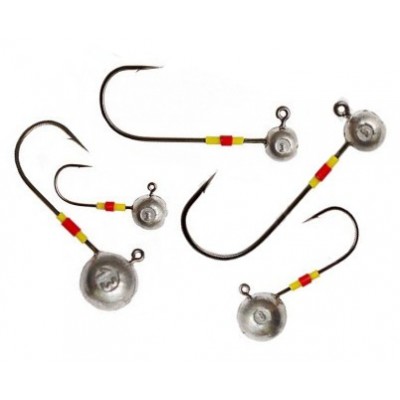
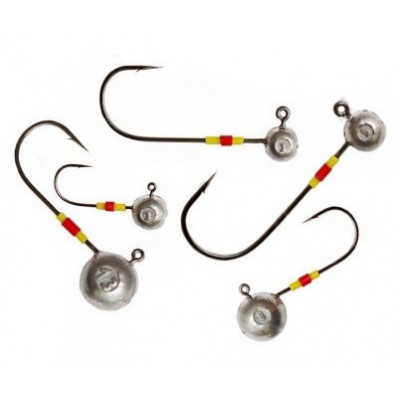
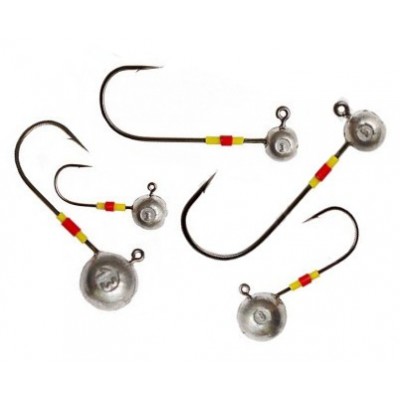
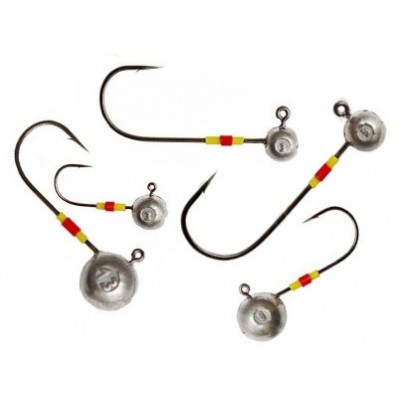


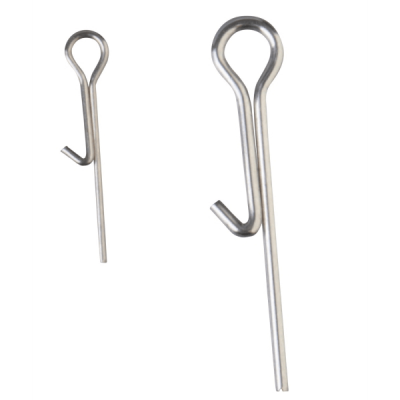
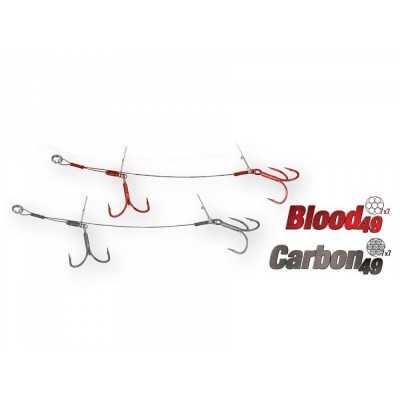
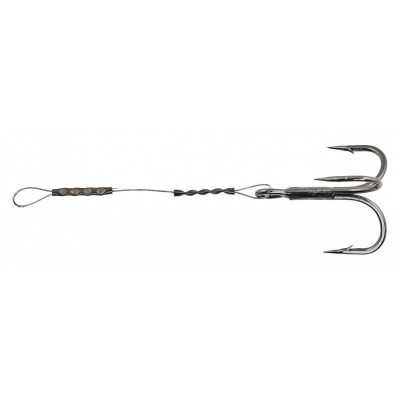
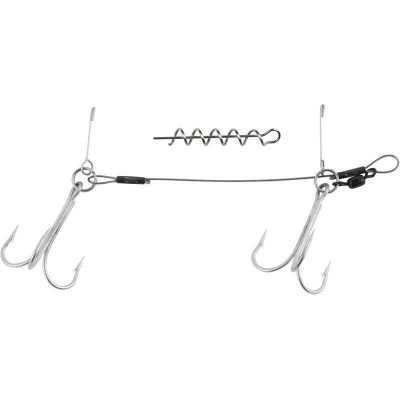

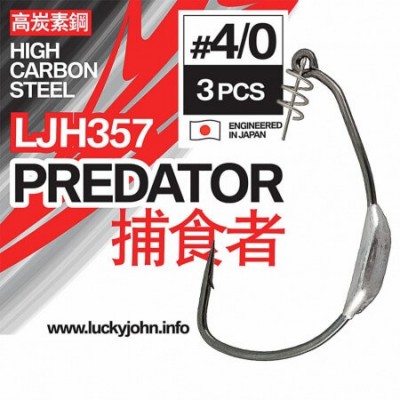
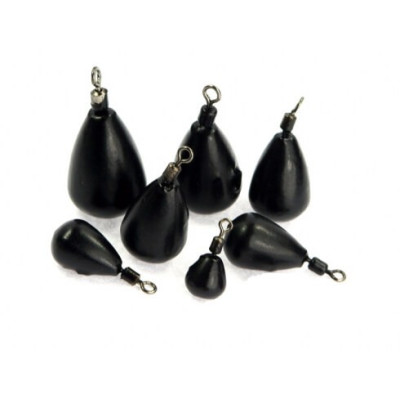
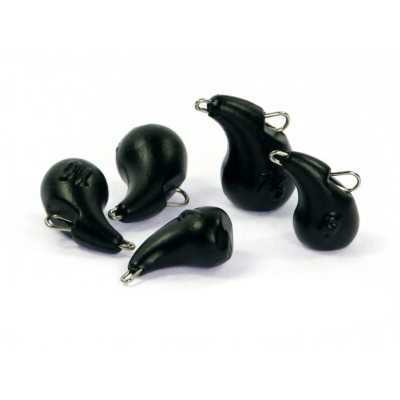
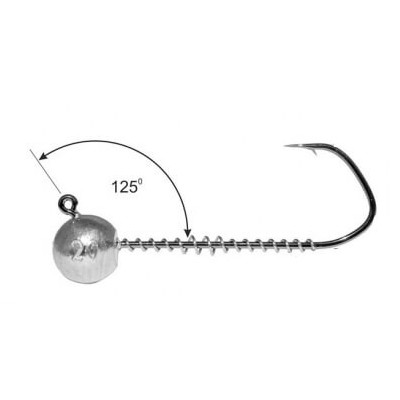


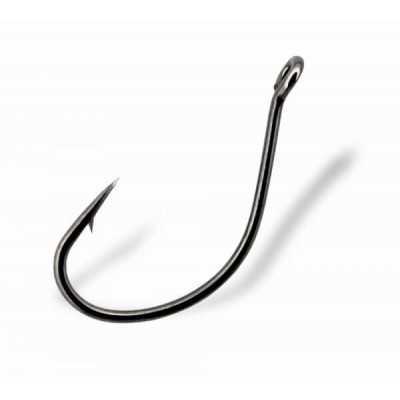


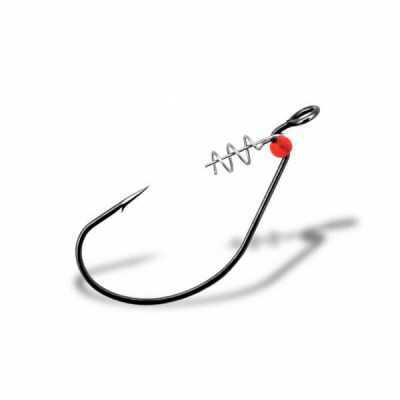
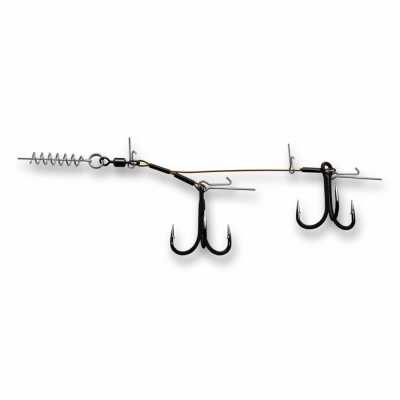
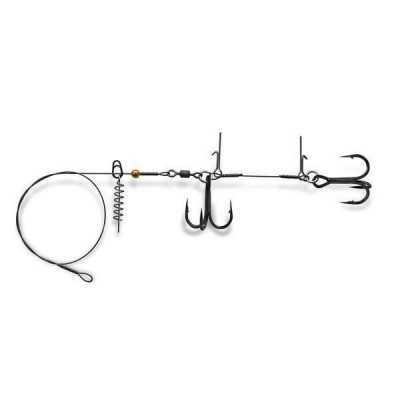
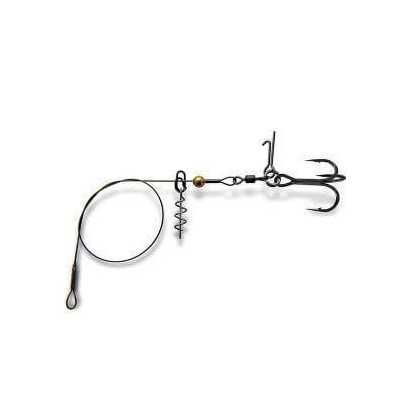

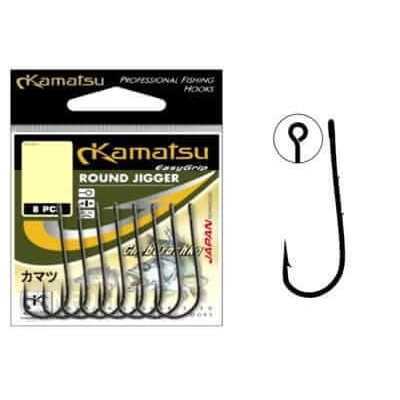
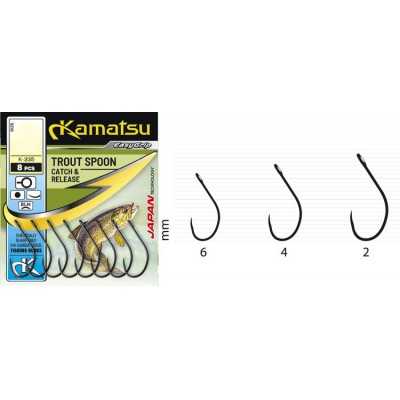

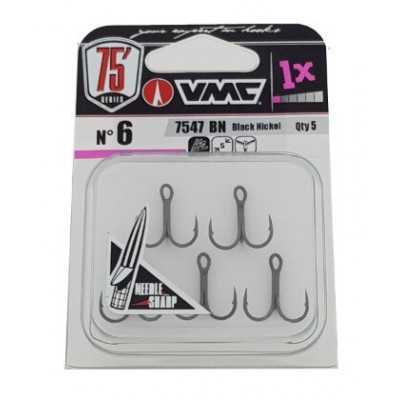

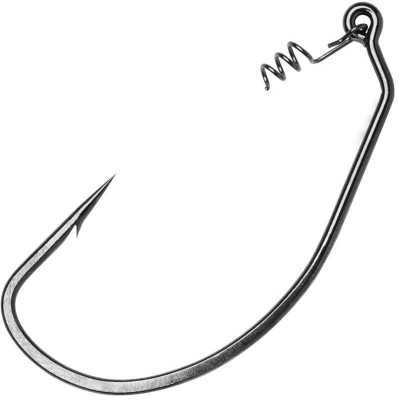
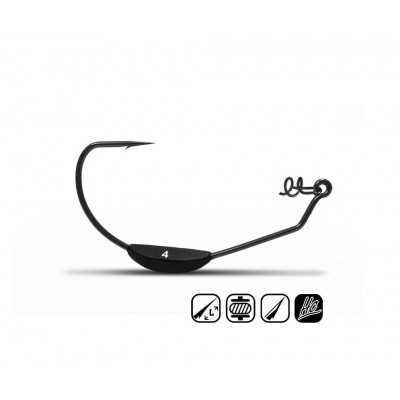
Headhooks: what you need to know about headhooks and their use in fishing
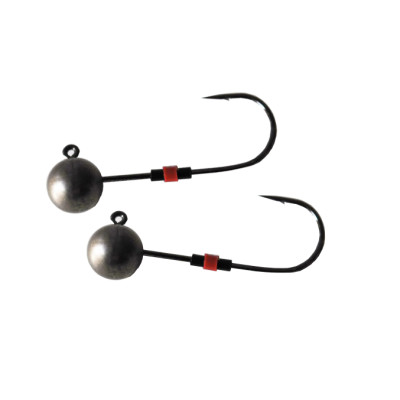
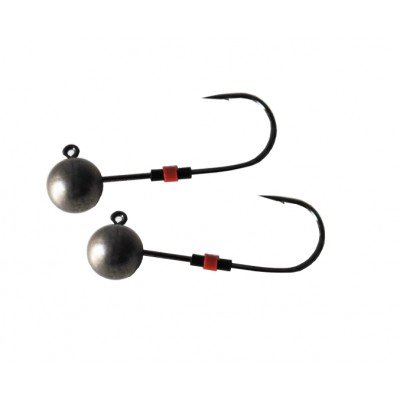
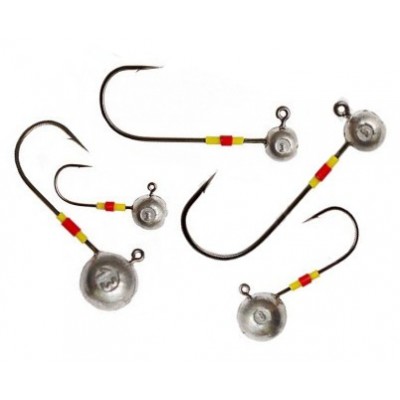
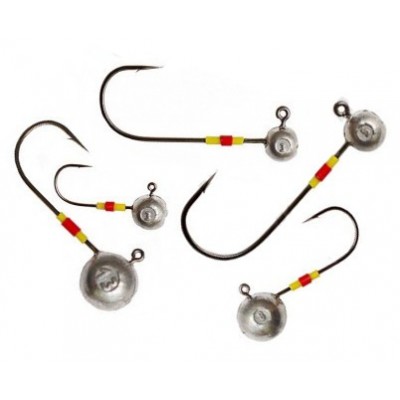
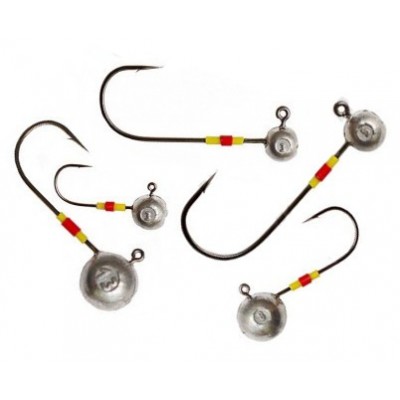
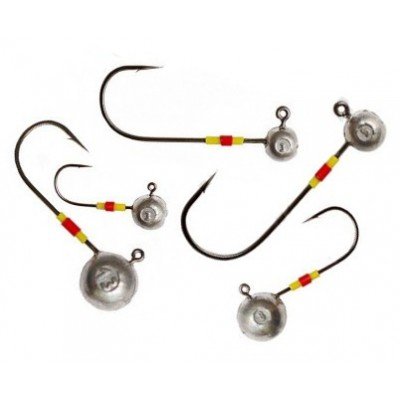
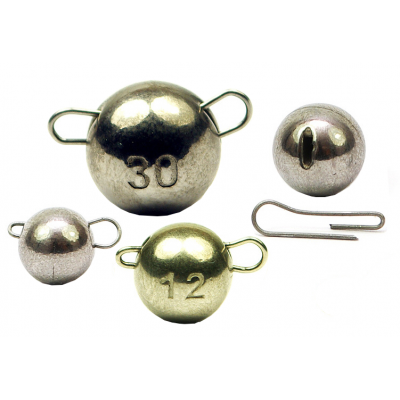
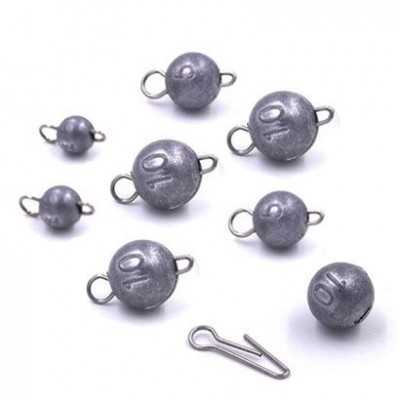
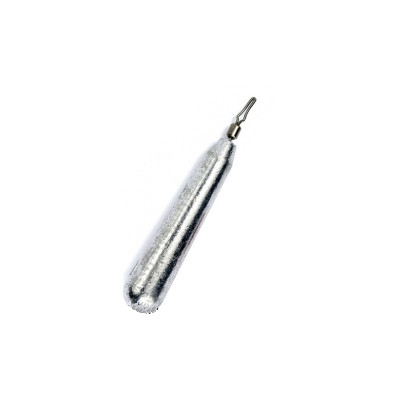
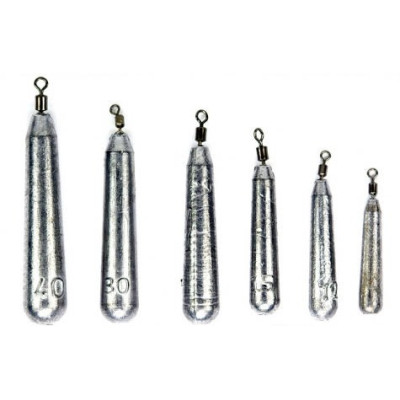
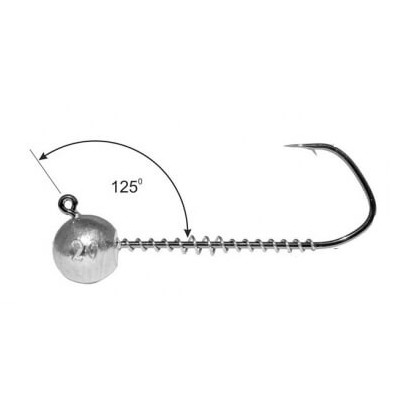
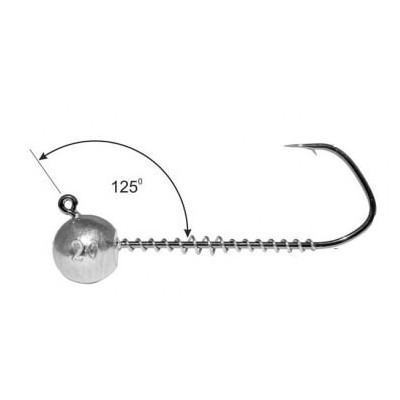
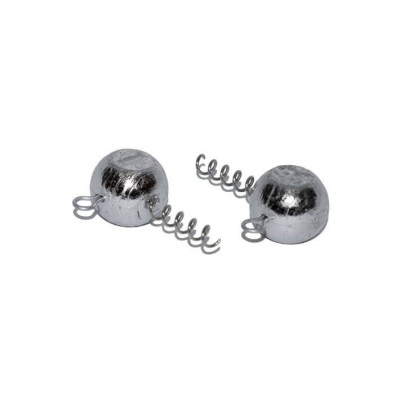
Headhooks are weighted hooks used to grasp soft bait. These lures, especially when used with rubber lures, help fishermen to achieve the desired position of the lure and ensure accurate and efficient fishing. The weight and shape of the hook affect the sinking characteristics of the bait, so their choice is important to attract fish and achieve the best fishing result. Headhooks are made of different materials such as lead, tungsten or tin and are available in different sizes and lengths depending on the type of lure used.
Lead and tungsten hooks: what is the difference?
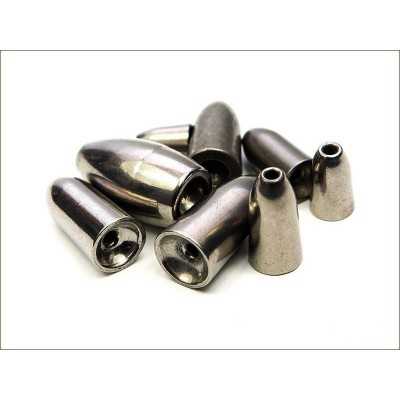
Headliners are usually made of lead or tungsten, but the EU's policy of green initiatives is moving towards the phasing out of lead because of its environmental hazards. Lead, although cheaper, has several disadvantages: it is lighter than tungsten, so a lead head of the same weight will be larger and less suitable for small fish such as sturgeon and perch. Lead also does not have the good sinking properties of tungsten and does not make a strong sound when hitting hard bottoms, which can attract predators.
Tungsten headliners, although more expensive, offer better sinking and ballistic properties and are often chosen by anglers who want precision and smaller bait proportions, as well as greater depth or faster sinking.
Headhooks: different lengths and classifications
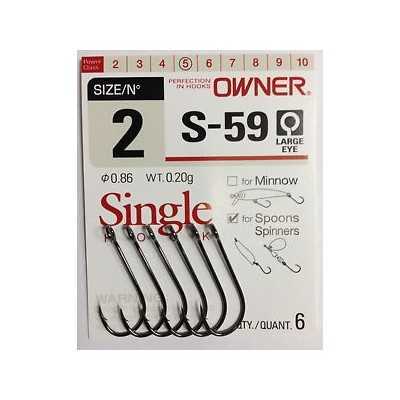
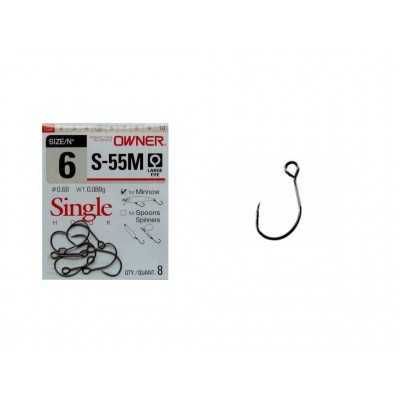
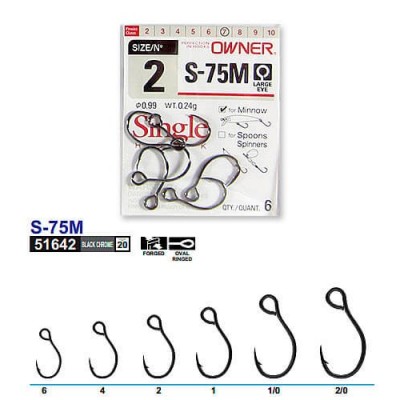
Like hooks, headhooks are available in different sizes. The higher the number, the shorter the headhook. The shortest headhooks are for small lures, for example, #6 headhooks are used for 1-2cm rubber, while larger ones such as #14/0 are perfect for larger rubber (20cm long). The different sizes and lengths help to adapt the head to the species of fish you want to catch. For example, the short #6 head is mostly used for micro baits, while the larger #14/0 head is for larger fish such as carp.
Fixation and other features of the head hooks
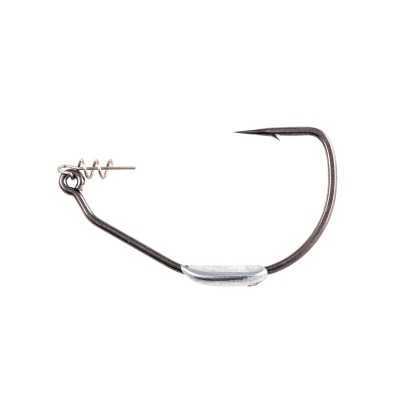
Headhooks can have different fixations that help to ensure that the rubber bait is held firmly. The most popular fixations are those with thermowells on the hook or springs around the hook, which ensure a firm and reliable hold on the bait. However, spring-type headhooks are more expensive, but they offer better durability and long-term use.
Lead or tungsten head?
The lead head has several major disadvantages. Lead is much lighter than tungsten, which means that it will weigh more. This is not good for sturgeon or perch fishing, where the lures are small enough and the lead head is disproportionately large for the lure. For the same reason, lead does not have the sinking and ballistic properties of tungsten. Another disadvantage is that lead is soft and it does not sound when it hits a hard bottom. That strong thud is often more enticing to a predator. Lead is also a toxic metal and damages the environment. Lead's only advantage is its low price, because lead itself is cheaper and its processing is much simpler and does not require large investments.
Alternatives to tin: green industry
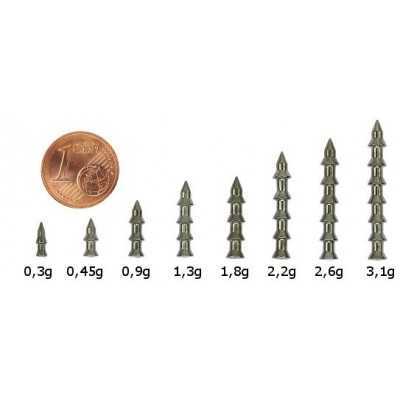
While lead has traditionally been used in the manufacture of headpins because of its low cost, tin, which is lighter than lead but cheaper than tungsten, has been gaining popularity in recent years. This not only meets environmental requirements but also provides a better fishing experience for smaller species. Tin products are increasingly reaching the market, especially in the Benelux countries, and are being used as an alternative to lead headliners.
Headliners and their use in fishing
Headplugs are an important tool in fishing as they help to control the position of the bait and attract fish. Fishermen using headhooks can accurately guide the bait to the desired location and ensure that it moves in the right direction. This is particularly important when fishing with small rubber baits such as micro jigs or wobblers.
Where to buy head hooks?
If you are looking for quality head hooks at a good price, there is a wide selection of these accessories available online. Many shops, including www.azukle.lt, offer both lead and tungsten head hooks to suit different fishing needs. By shopping online, you can save money and choose from a wide range of models and sizes to suit the fish you are fishing for and the conditions you are fishing in.
Fishing hooks are an important fishing tool that helps you to achieve efficient and accurate fishing. When choosing a head hook, fishermen need to take into account the size of the bait, the species of fish and the fishing conditions. The right choice of headgear can improve fishing results and ensure successful fishing with both lead and tungsten or tin products.
Fishing hooks are an important fishing tool that helps you to achieve efficient and accurate fishing. When choosing a head hook, fishermen need to take into account the size of the bait, the species of fish and the fishing conditions. The right choice of headgear can improve fishing results and ensure successful fishing with both lead and tungsten or tin products.